
Documentary Education Program
San Miguel de Allende
A micro-documentary experience for students, local creatives and purpose-led storytellers
This Micro-Documentary Program is a shorter Planetary Productions experience designed for people who want practical, real-world production repetition while creating meaningful short-form social impact stories.
Set in San Miguel de Allende, Mexico, this program guides participants through weekend teaching, skills-based workshops and one weekday production slot to research, film and begin shaping a 3–5 minute micro-documentary about a local NGO, changemaker or community organisation creating positive impact in Guanajuato state.
Mexico


Dates: September, 2026
Location: San Miguel de Allende, Mexico
Program Structure: Weekend teaching + one weekday production slot
Stories: Local NGOs, changemakers and community organisations
Outcome: Create 3–5 minute micro-documentaries while gaining practical experience in ethical, cross-cultural social impact storytelling.
What is the Experience?
The Micro-Documentary Program is a short-form documentary education experience designed for local creatives, students, emerging filmmakers and purpose-led storytellers seeking practical, real-world production experience.
Produced through weekend workshops and one weekday production slot in San Miguel de Allende, each program guides participants through the process of creating 3–5 minute micro-documentaries about a local NGO, changemaker or community organisation making a positive impact.
Rather than learning only in a classroom, participants step directly into the documentary process. They research a real story, prepare interviews, film in the field, review footage and begin shaping a short documentary with purpose, heart and community value.
This structure allows the skills taught in the workshops to be applied directly to the production, giving participants meaningful repetition, practical confidence and a deeper understanding of ethical social impact storytelling.
The program is designed to support universities, film schools, local students, graduates and creative partners looking for practical, ethical and socially conscious production experience.
The Location
San Miguel de Allende is one of Mexico’s most beautiful and culturally rich towns — a place known for its colour, creativity, architecture, art, community spirit and deep sense of history.
Located in the heart of Central Mexico, San Miguel is home to artists, educators, social entrepreneurs, local leaders, community organisations and NGOs working to create real world change. Its cobblestone streets, historic buildings, vibrant markets, creative communities and surrounding landscapes make it an inspiring environment for documentary storytelling.
For filmmakers, San Miguel offers more than a beautiful backdrop. It is a living, breathing community filled with human stories, social impact initiatives and opportunities for cross-cultural collaboration.


Who The Program Is For
This experience is designed for:
University film, media and communications students
Local creatives interested in documentary storytelling
Emerging filmmakers seeking practical production experience
Final-year students and recent graduates wanting to mentor others
Students passionate about social impact stories
Community members connected to the stories being told
International students seeking cross-cultural learning
Universities looking for real-world, work-integrated learning opportunities
Participants do not need to be experts. The program is designed to meet people where they are, while giving them the structure, guidance and confidence to contribute meaningfully.


Program Purpose
Through the Micro-Documentary Program, Planetary Productions helps tell these stories while giving students the opportunity to learn by doing.
Each short documentary is designed to amplify the work of local changemakers, support NGOs with meaningful storytelling assets and give students practical experience creating real-world social impact films in a cross-cultural environment
Each micro-documentary is designed to:
Amplify the work of local changemakers
Give students real-world production experience
Encourage cross-cultural collaboration
Support NGOs with meaningful storytelling assets
Build confidence in interviewing, filming, editing and ethical storytelling
Create habits and inspirations from leading documentary film mentors, AI & emerging technology experts and accomplished industry guests.
Create short documentaries that can be shared with communities, universities, donors, volunteers and wider audiences
Story Partners
The program will focus on local organisations and changemakers connected to the San Miguel community.
San Miguel Community Foundation
A long-standing community foundation supporting causes across health and wellbeing, arts and culture, education and youth, ecological sustainability, food and nutrition, and local social enterprise.
Some of the previously featured stories have included Casita Linda, EEESMA School for the Deaf, So Others May Eat.
100 Plus Who Care - San Miguel de Allende
A collective supporting NGOs serving the wider San Miguel community across children’s support, education, environment, health, animals, community development, water, arts and culture.
Some of the previously featured stories have included El Charco del Ingenio, CRISMA, Apoyo, Latin American Relief Fund and Caminos de Agua.
Together, our story partners have created a network of powerful voices to capture and thus presents a powerful opportunity to tell short, high-quality stories about these inspirational people working every day to create positive change in and around San Miguel de Allende, which in turn is creating an influential example to the rest of the world.


Film Crew Roles
Participants will step into real production roles across the documentary process, including:
Primary Roles
Director
Cinematographer
Editor
Producer
Secondary Roles
Sound Recordist / Gaffer
Behind-the-Scenes Photographer
Behind-the-Scenes Videographer
Marketing Manager and Social Media Support
Each production will be supported by a wider creative and cultural team, including mentors, translators, local guides and subject-matter contributors where required.
Additional specialist roles may be included depending on the story. For example, an environmental documentary may involve input from a horticulturalist, botanist, researcher, lecturer or local expert.
Graduate and Mentor Pathways
The Micro-Documentary Program also creates opportunities for graduates, final-year film students and accomplished filmmakers to step into leadership and mentorship roles.
These participants may support younger or less experienced students while developing their own skills as educators, facilitators and production leaders.
Mentor Roles:
Director / Writer
Cinematographer
Editor
Workshop Facilitator
This creates a layered learning model where students gain hands-on production experience, while emerging professionals gain experience guiding teams, shaping creative decisions and supporting ethical storytelling in the field.
Program Structure
Weekend Teaching + One Weekday Production Slot
The Micro-Documentary Program is designed as a short, focused production cycle that combines skills-based learning, real-world production and guided post-production review.
Each micro-documentary is built around one local NGO, changemaker or community organisation, with students moving through the key stages of documentary production in a practical and achievable format.
Because many NGOs and community organisations operate during the week, the program includes one scheduled weekday production slot, supported by weekend-based teaching, preparation, editing and reflection.
Session One:
Story, Skills and Production Planning
Saturday: The first session is focused on learning the documentary skill of the week, understanding the story, preparing the crew and developing the production plan.
This may include:
Documentary storytelling workshop
Watching and analysing short documentary examples
Learning a focused production skill, such as interviewing, cinematography, sound, producing or editing
Researching the NGO or changemaker
Understanding the social issue and community context
Ethical storytelling and consent discussion
Interview preparation
Question development
Shot list and visual planning
Production schedule and call sheet development
Role expectations and crew allocation
Meeting the NGO, subject or key stakeholder where possible
By the end of this session, participants should understand the story, their role, the ethical approach and the plan for production.
Session Two:
Editing, Review and Reflection
Sunday: The final workshop of the weekend is focused on reviewing the footage while the production experience is still fresh, identifying the strongest story moments and beginning the editing process.
This may include:
File organisation and media backup
Media management and file workflow preparation
Reviewing interviews and key footage
Identifying strongest story moments
Highlighting interview selects and supporting visuals
Creating a paper edit or story outline
Beginning an assembly edit
Reviewing sound, visuals and story structure
Identifying any missing footage or story gaps
Selecting behind-the-scenes and social media content
Group debrief and creative reflection
Planning next steps for the final edit and delivery
By the end of this session, participants should understand the story, their role, the ethical approach and the plan for production.
Session Three:
Weekday Production Slot
Weekday: The weekday production slot is focused on capturing the story while the NGO, changemaker or community organisation is active on-site. This gives students the opportunity to work in a real documentary environment with real subjects, real locations and real production conditions.
This may include:
On-location filming with the NGO or changemaker
Interviews with main characters, staff, volunteers or community members
Observational footage and supporting visuals (B-roll)
Audio recording and lighting support
Behind-the-scenes photo and video capture
Capturing stills, social media assets and supporting materials for press kit
Working with mentors, translators or local guides where required
Managing consent forms, release forms and production notes
File transfer, backup and media organisation after the shoot
This production slot gives students practical experience outside the classroom while helping capture meaningful stories for local changemakers.
By combining weekend learning with a weekday production slot, students gain practical skills, work directly with local organisations and contribute to a real micro-documentary with purpose, community value and social impact.
What's Included in the Program
Workshops
Each workshop is designed to be practical, accessible and directly connected to the story being produced.
Participants will receive hands-on training and mentorship across:
Documentary structure and story fundamentals
Research and story discovery
Finding and highlighting the lead character
Ethical storytelling and informed consent
Interview preparation and technique
Camera operation and visual storytelling
Sound recording and location awareness
Producing and on-location coordination
Working with translators and cultural guides
Editing structure and interview selects
Production Focus
During production, students learn how to work in real environments with real people and real time pressures.
This may include:
Conducting interviews
Capturing observational scenes
Recording clean audio
Filming supporting visuals
Working with available light
Managing time on location
Supporting subjects respectfully
Adjusting to unexpected changes
Collaborating as a small crew
Capturing behind-the-scenes content
Students learn that documentary filmmaking is not only about technical skill. It is about listening, trust, patience and care.
Pre-Production Focus
Before filming, participants will be guided through a focused pre-production process.
This may include:
Meeting with changemakers
Meeting main characters or key stakeholders
Developing the production schedule
Creating interview questions
Preparing the visual approach
Building shot lists
Reviewing location sound needs
Preparing release forms and production documents
Clarifying crew roles and responsibilities
Understanding cultural context and ethical considerations
Post-Production Focus
After production, participants begin shaping the story through review, selection and editing.
This may include:
Organising footage and reviewing interviews
Selecting strongest story moments
Creating a paper edit
Building an assembly edit and rough cut
Adding music, titles and credits
Preparing subtitles where required
Reviewing ethical and cultural accuracy
Creating final exports for screening or delivery
Incorporating emerging technology and AI where appropriate
Developing a simple distribution strategy
The documentaries can become a meaningful story asset for the featured organisation and a strong portfolio piece for the students.
Program Outcomes
By the end of the Micro-Documentary Program, participants will have gained practical experience across research, interviewing, camera operation, sound recording, producing, editing and ethical storytelling. Students learn by doing, on a real project, with real stakes.
These skills can support future careers in:
Documentary filmmaking
Journalism
Marketing
Advocacy
Humanitarian storytelling
Social media production
Community engagement
Nonprofit communications
Education and media production
Every program is designed to end with a completed documentary outcome that students can be proud of and that changemaker organisations can use to promote their work, attract support, share their mission and connect with wider audiences.
Why This Matters
The Micro-Documentary Program gives students more than technical experience. It helps them build resilience, confidence, adaptability and cultural intelligence by working in unfamiliar environments, under real deadlines, with real collaborators.
This is not sightseeing. It is a deeper form of cultural immersion, where students slow down, listen, build relationships, contributing to stories that matter.
For universities, the program offers a practical model for work-integrated learning, international collaboration and social impact storytelling.
For NGOs, it offers high-quality storytelling support.
For students, it offers a meaningful step into the world of documentary production.
Partnership Opportunities
Planetary Productions is seeking to collaborate with universities, film schools, community organisations, NGO networks and creative partners who want to support real-world documentary education.
Potential partnerships may include:
Student placement programs
Weekend intensive workshops
Local student training
Graduate mentor pathways
NGO storytelling collaborations
Community screenings
Film Festival and distribution pathways
Cross-cultural documentary education programs
The Micro-Documentary Program is designed to be flexible, practical and scalable — creating meaningful outcomes for students and changemakers in communities all around the world.
Ready to create stories that matter?
The Micro-Documentary Program is for students and creatives who want to learn through action, collaborate with purpose and help amplify the work of people creating positive change.
Through short-form documentary storytelling, participants gain real experience, develop creative confidence and contribute to stories that deserve to be seen.
If you feel called to tell meaningful stories, grow as a filmmaker and contribute to a documentary with purpose,
Register interest or get in touch to discuss partnership opportunities.
Our Process
How we craft our Documentaries
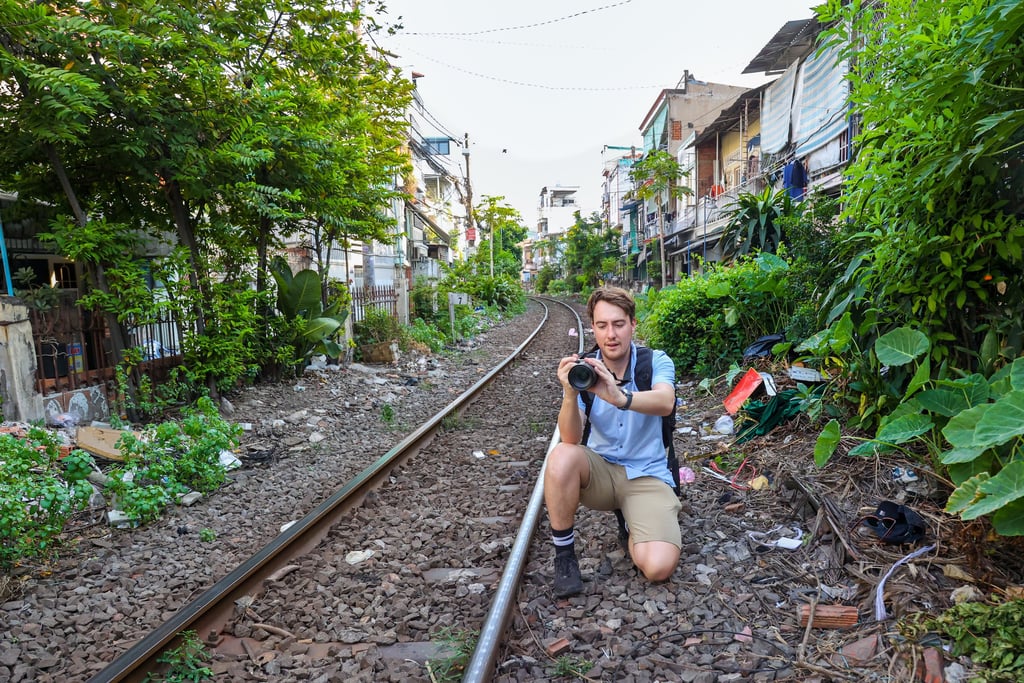

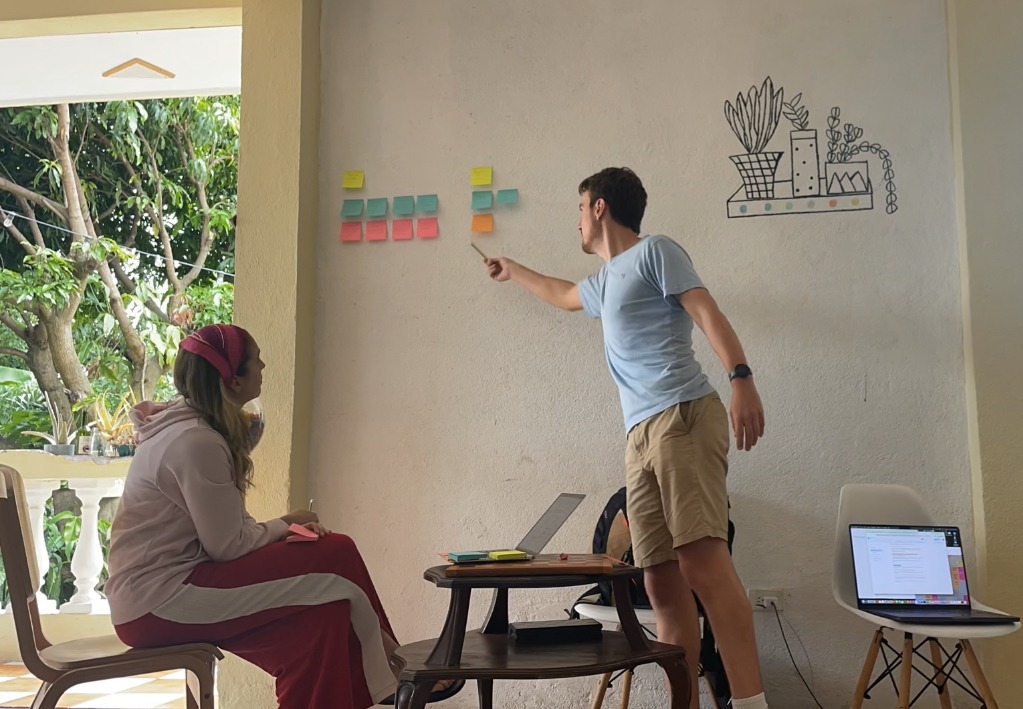

Our goal is to create documentaries with depth, purpose and festival potential — while helping the next generation of storytellers develop the skills, awareness and confidence to tell stories that matter.
Learn
Documentary storytelling, interviewing, cinematography, editing and ethical filmmaking.
Create
Produce real-world documentaries alongside a collaborative international crew on location.
Connect
Work directly with local changemakers, community leaders, local and global storytellers.
Explore
Experience a new culture through meaningful immersion beyond traditional tourism.
Share
Screen your film with the community and showcase your work to a wider audience.
Grow
Develop confidence, leadership, interviewing skills, creative problem-solving,
cultural intelligence and professional resilience.
Continue
Join a global alumni network to share films, exchange ideas, build skills, and collaborate on future storytelling projects.